HARNESSING POWER OF TECHNOLOGY FOR DEMOCRATIC SUSTENANCE Severally, I have made attempt to probe the essence of democracy, laid bare to its underlying assumptions and contradictions, and I remain resolutely convinced of its groundbreaking potential to unlock substantial growth, fertilise inclusive participation, ensure accountable governance, as well promote social justice in our polity. Again, I am strongly convinced that it is through democracy that we can find solutions to seemingly insurmountable challenges, harness the collective wisdom of fellow countrymen, create a more just and equitable society, and empower various marginalised voices. I am elevated and very inspired by the engaging responses to my previous columns on democracy and active citizenship, which has fueled a firestorm of national conversation on the future of our beloved country and what we can improve upon, and I am indeed thrilled to see you young people and friends engaging in constructive dialogue, sharing bright ideas, and constructively demanding greater accountability from our leaders across board. Your continued engagement is unequivocal declaration to our shared passion for a functional, prosperous and peaceful Nigeria, and I extend my deepest gratitude to each and every one of you for being a partner in national development. Read Also: Friday Evening With Amofin Beulah Adeoye: What Is Your Perception About Genuine Civic Engagement, Synergy? (Series 2)  Today, let us ponder on the elusive specter that technology is, a powerful force that has revolutionised the foundation of our lives, it is a paradigm shift in human civilisation that has transformed the way we live, work, interact, and govern. I won't bore you with dry definitions or tedious terminologies, after all, we all have informed understanding of what technology is, but rather, I hope to explore its multifaceted nature, far-reaching implications, profound impact on our collective destiny, and its potential to drive democratic renewal and revitalisation. Technology's impact is palpable across various sectors; it brings about evolutionary benefits, unprecedented opportunities, unintended consequences, and new challenges, necessitating a nuanced understanding of its role in shaping our world, mitigating its risks, and maximising its benefits. In Nigeria, we have seen how it revolutionised our election processes, enhanced governance, fostered accountability, improved service delivery, and empowered citizens, - but we can still agree that it has not been maximally utilised. It awaits more visionary leadership, strategic investment, explorations and inclusive dialogue. The forebears of democracy may not have envisioned technology's profound and broader impact, but today, it has emerged as a powerful partner in realising democratic aspirations, enhancing transparency, citizen engagement, effective governance, and participatory decision-making. And that is a good addition. With the fusion of technology, we can create a more inclusive, responsive, accountable, and participatory democracy, a democratic atmosphere where every voice is heard, every citizen counts, and every leader is held accountable. Technology has already transformed global democracies, from e-voting or mail-in voting, and digital activism to data-driven policy making, social media mobilisation, and online citizen engagement, - while acknowledging potential drawbacks, such as disinformation, digital divides, amplifier for hate messages and cyber threats, we must honestly recognise its vast potential to drive democratic renewal, encourage and boost civic engagement, promote inclusive governance, and seek to interrogate its other many projected virtues. In Nigeria, technology has truly improved our election processes, governance, and accountability, but there is room to improvement, when this is done, it will further support transparency, citizen participation, and inclusive decision-making. Read Also: IGBAOTUN: Moving Nigeria Beyond Palliatives to Sustainable Economic Growth ~ Olajide Hamzat I have witnessed technology's problem-solving prowess firsthand in various corporate settings where I have served and valuable contributions. These places were; in exclusive interpretations, established by democratic provisions, where creative approaches have been deployed to overcome knotty situations, drive business growth, enhance societal impact, and promote sustainable development. It is paramount to state that when we combine technology with human ingenuity, creativity, intelligent quotient, and collaborative spirit, we can overcome seemingly intractable challenges, drive economic growth, strengthen social justice, and promote democratic governance. There is always room for broad and critical thinking; we can consider possible examples of technology's democratic applications, such as a more tech-enabled seamless voting systems, AI-driven policy analysis tools, data analytics platforms, online citizen engagement portals, and digital participatory budgeting initiatives, which can enhance our democracy, increase efficiency, reduce corruption, and promote inclusive governance, but all these require the political will to make it happen, some intentional and strategic investments, inclusive dialogues, and institutional capacity to implement. But will that be too much to ask and push for ? Definitely no. We must genuinely learn and adopt from countries like the United Kingdom, China, America, South Korea, Singapore, among others that are truly harnessing the power of technology to drive economic growth, governance efficiency, societal well-being, and democratic renewal, - this presents before us, valuable lessons and inspiring examples for our own democratic journey. We can learn from their experiences, adopt solutions fit to our unique context, motivate a distinctive path that blends technology, democracy, and development, and create a future that the generations to come will be proud of. Read Also: International Peace Day: Amofin Beulah Adeoye Hails Gov. Makinde As Peace Ambassador, Promoter of Peaceful Coexistence While we can't simply replicate western models or adopt a one-size-fits-all approach, I have deep faith in Nigeria's bright and forward-thinking tech enthusiasts. I have met with a few numbers of them, they possess the talent, creativity, passion, and entrepreneurial spirit to drive democratic innovation, societal transformation, and economic growth. If we tap into their local expertise, ingenuity, and trailblazing potential, we can definitely craft local and avant-garde answers to our distinct challenges, create a more all-encompassing and participatory democracy, and ensure a future full of glamour. Let me know your thoughts and musing about these. And as a Nigerian born or based tech enthusiast, kindly share your expert opinions and views on how your work has or the tech constituency can advance our democratic aspirations. I will love to hear from you. See you next week, and please enjoy your weekend. ~ Amofin Beulah Adeoye Friday, September 13, 2024

Friday Evening with Amofin Beulah Adeoye: Dividend Of Good Governance (Series 1)

Our great nation has travelled through tumultuous waters; we have navigated through military coups, transitioned from military leadership to civilian rule, and shifted from a parliamentary system of government to a presidential one.

The transitions have undoubtedly left its mark on the progress and setback experienced by this nation. When we reflect upon this journey and its paths with other factors within, it becomes increasingly evident that Nigerians are actually committed and optimistic in representational and functional democracy.

Since we started 4th Republic in 1999, which is Nigeria’s longest journey and stretch in democratic governance, we have committed ourselves to choosing our leaders through elections, – and we’ve painstakingly sustained this against all odds. Twenty-four years, and six different national polls. This has yielded results, acceptability and even resistance, – yet, we remain in pursuit of our dreams and aspirations within the available democratic provisions.

That is a worthy feat if you ask me, it is a lot. There are only a few similar examples we can point at in global space that we shared similar history of colonialism and emerging civilisations with.

Amidst all these, what is important for us to note?

Since our foundational principles, experiments and researches have proven, and more rooted in believe and sound convictions that the major keys to our actual prosperity and democratic dividend depends on democracy and governance that reaches the least of the people.

Leadership at all levels, from the highest echelon of power to the smallest local government, has a profound impact on our collective destiny. It all count. The services we provide to ourselves in our various neighbourhood, those community meetings, emergency gathering we convey to address problems, those commitments, extra efforts to ensure a local bridge is built, or that we clear the drainage obstructing the flow of water, and other sacrifices are where the true essence of leadership is both tested and found.

But the question that looms large is, what kind of leadership have we experienced on the broader scale, and what can we aspire to?
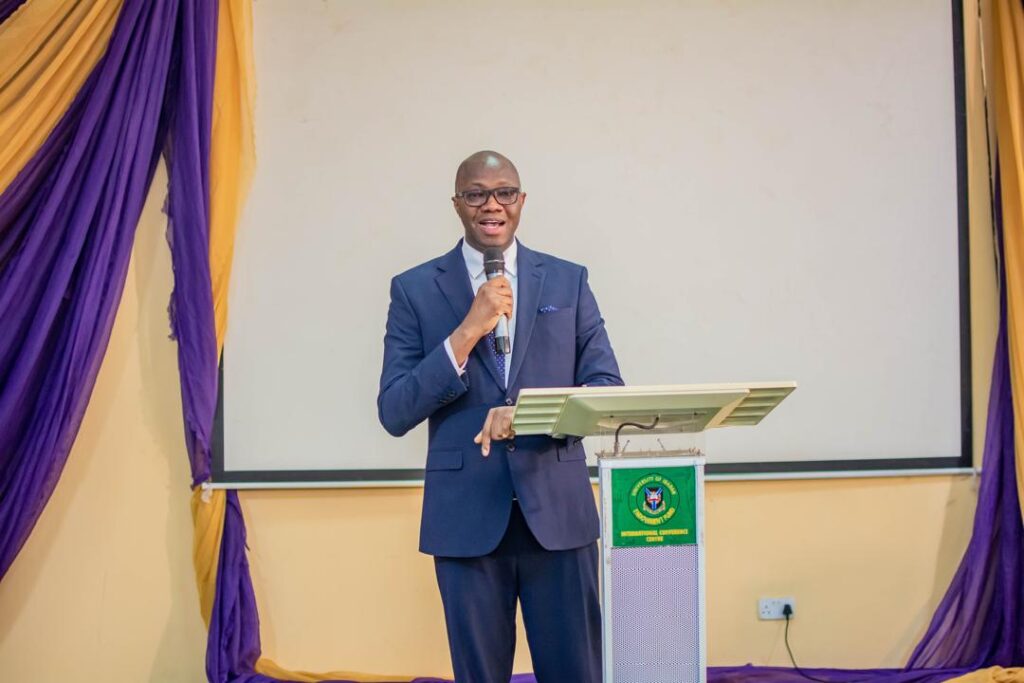
Throughout our history, we have seen leaders who dedicated themselves to the serving people and to the greater good, without minding status or class. Without mincing words, we have good example of them, in Oyo state and in other places. These persons understood that public office was a solemn trust, a pact with the people to uplift their lives and safeguard their rights. In the face of adversity, they stood firm and held their grip, and strove to advance the common good. It worth it eventually. And we have those who does otherwise. These individuals didn’t do much for the people they elect to serve. This often cast a dark shadow over our aspirations for a prosperous and just society.

I particularly think the concept of service and ethical leadership should be the cornerstone of governance at all sectors. True leaders understand that they are servants of the people, bound by a duty to improve the lives of their constituents. Ethical leadership demands transparency, accountability, and a commitment to the rule of law. No questions asked. It is the embodiment of integrity and a dedication to the group greater good. We can provide essential services to promote economic development and foster social cohesion and peace. We can do a lot.

We must emphasise education and capacity building for the young people, we can empower them with the skills and knowledge needed to make informed decisions and manage resources responsibly. We can provide more support for the old. More also, we can strengthen the mechanism for accountability to ensure that leaders are held to high ethical standards. I have seen this work, it definitely can in our great country.

Leadership at all levels plays a significant role in shaping the destiny of our nation. Individuals occupying the seat must be reminded why they were there in the first instance. To chart a course toward a more brighter tomorrow, I think we must prioritise ethical leadership and service to the people. It is the least the people demands, I have no doubt.

In scribbling these thoughts, I do not masquerade as a paragon of virtue or a sage of impeccable wisdom. My aim is not to pontificate from a pedestal, but to provoke thought, spark dialogue, and inspire collective action. Good governance is a multifaceted entity from diverse perspectives, and my contribution is merely a thread.

Whatever we might say is wrong with the system is our collective fault, but I hope that, together, we can stitch a more vibrant, inclusive, and just narrative for our communities. I believe we can embrace the imperfections, learn from them, and strive for a leadership that truly serves.

See you next Friday on another episode, but before then, what do you think?

~ Amofin Beulah Adeoye
Friday, August 30, 2024

Leave a Comment

Your email address will not be published. Required fields are marked *

error

Enjoy this blog? Please spread the word :)